
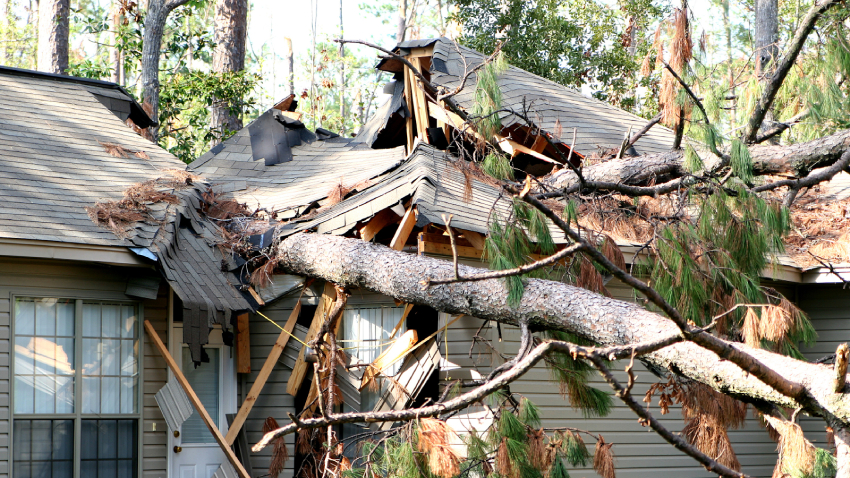
The storm’s over, but now you’ve got a mess to deal with. Missing shingles, tree branches and debris everywhere, and you could swear you’re hearing a dripping sound behind a wall that wasn’t there before!
If that’s where you’re at, don’t panic. We’ve seen it all before and we’ve got you covered.
At Bravo Restoration & Construction (aka BRC), storm damage roof repair is something we know inside and out. And we’re here to break it all down: what to do, when to do it, and how to keep your sanity along the way.
Step 1: Safety First!
After the storm passes, your first job should be making sure everyone is safe. Watch for:
- Downed power lines
- Broken glass or debris
- Structural hazards
If you suspect significant roof damage, it’s a good idea to exit the home and avoid reentering until professionals give the all-clear.
Pro Tip: Insurance may be able to cover the costs if you end up needing living accommodation when your home is being repaired! Make sure to speak with your insurance agent and/or claim adjuster about your options.
Step 2: Document the Damage
Before any cleanup begins, snap photos and videos of all visible storm damage. Focus on:
- Missing or broken shingles
- Tree limbs on the roof
- Exposed decking or attic areas
- Interior water leaks or ceiling stains
These visuals are essential for your insurance claim. The more detail, the better.
Step 3: Call a Disaster Repair Expert (Like BRC!)
If your roof has been compromised after a storm, you need to act fast! Water intrusion can lead to mold, structural rot, and expensive interior repairs.
BRC provides 24/7 emergency service across Northern California. Our local technicians can quickly install roof tarps, assess the structural damage, and help prevent further loss. We don’t do “one-size-fits-all” repairs—every roof and storm impact is different, and we treat it that way.
Step 4: Start the Claims Process
It’s time to call your homeowner’s insurance provider and open a claim. Have your documentation handy and your restoration/repair contractor, like BRC, on standby.
Pro Tip: At BRC we work with every insurance provider and have years of experience navigating claims. Getting your claim moving quickly and helping navigate you through the process is part of our specialty!
Step 5: Repairs and Prevention
Once emergency measures are in place and your insurance claim is approved, it’s time to get your roof fixed up!
At BRC, our licensed and IICRC-certified team handles the full scope of storm damage roof repair, including:
- Shingle replacement
- Structural rebuilding
- Waterproofing and sealing
- Gutter and flashing restoration
We also take time to identify vulnerabilities, helping you prevent future storm damage. Our custom repair plans ensure your roof is stronger than before.
Why Trust BRC for Storm Damage Roof Repair?
Here’s why Northern Californians trust Bravo Restoration & Construction for their disaster restoration and repair:
- Local and Loyal: We live and work in Sonoma and Marin Counties—this is our home, too.
- Award-Winning Leadership: Our CEO, Nicole Humber, has earned national recognition for her innovation and grit in the restoration industry.
- 24/7 Emergency Response: Storms don’t keep business hours, and neither do we.
- Licensed and Certified: We’re a licensed general contractor, IICRC-certified, and trained to handle storm damage the right way.
- No Cookie-Cutter Fixes: Every repair plan is customized—because your home and your storm damage are unique.
- Insurance-Savvy Support: We know how to navigate the claims process, and we’ll help you through it every step of the way.
When you work with us you get a committed team that cares about restoring your home and your peace of mind.
Need Help Now? Call BRC!
If your roof’s been hit by a storm, don’t wait. Call Bravo Restoration & Construction at (707) 837-0675 or contact us online. We’re available 24/7 and ready to help you protect what matters most.