
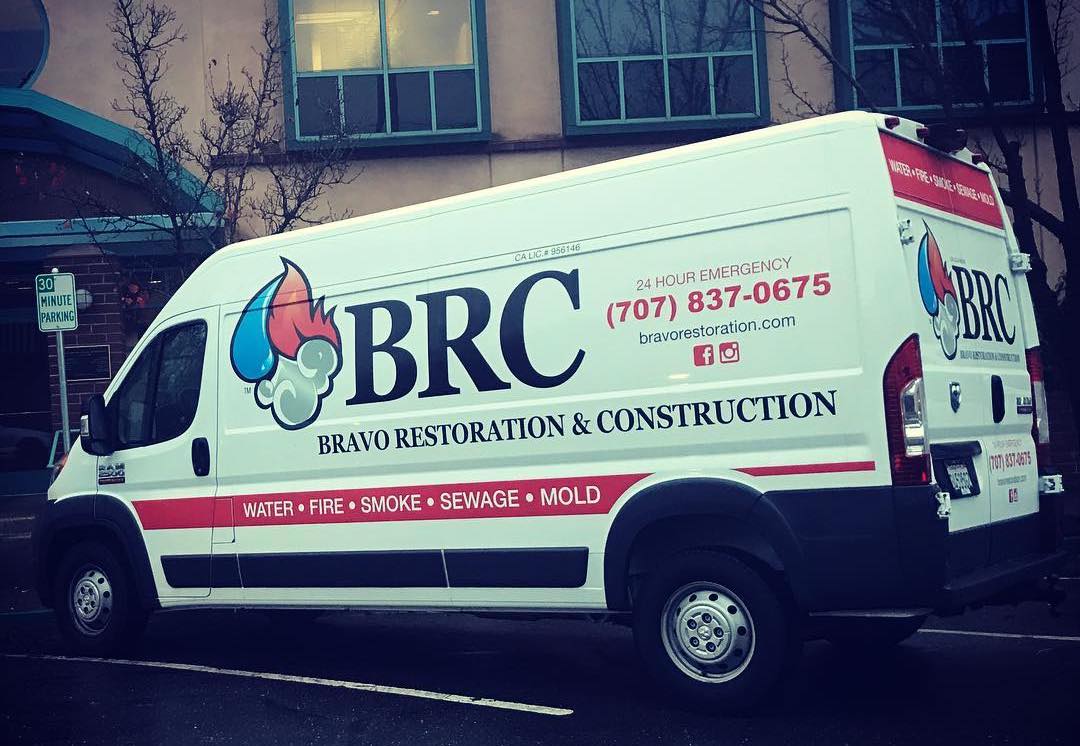
Mold growth is a common problem that many homeowners face, especially in areas like Occidental, CA where humidity levels are high. Not only can mold cause structural damage to your home, but it can also pose serious health risks to you and your family. One of the key factors that contribute to mold growth is excess moisture, which is why proper water extraction is crucial in preventing its growth.
The Dangers of Mold Growth
Mold is a type of fungus that thrives in damp and dark environments. It can grow on any surface as long as there is enough moisture for it to feed on. When exposed to mold for prolonged periods, people may experience symptoms such as allergies, asthma attacks, respiratory infections, and skin irritation.
In addition to health risks, mold can also cause significant damage to your home’s structure and belongings. It can eat away at building materials such as wood and drywall, leading to structural instability. Mold can also damage furniture and other personal items beyond repair.
The Role of Water Extraction
Water extraction refers to the process of removing excess water from a property using specialized equipment such as pumps and dehumidifiers. This step is crucial in preventing mold growth because it eliminates the source of moisture that molds need to thrive.
When water damage occurs in your home due to a burst pipe or flooding, it’s not enough just to mop up the visible water on the surface. Water often penetrates deep into building materials such as drywall or flooring where it cannot be easily removed without professional equipment.
The Importance of Thorough Extraction
Simply removing visible water from your home may seem like enough at first glance; however, residual moisture left behind after an incomplete extraction process poses a significant risk for mold growth.
When moisture remains trapped within walls or under floors, it creates an ideal environment for mold spores to multiply and spread quickly. Mold can begin to grow within 24-48 hours of water damage, making it crucial to act fast and ensure thorough water extraction.
The Process of Water Extraction
Effective water extraction requires specialized equipment and expertise to ensure that all moisture is removed from your home. At Bravo Restoration and Construction, we follow a comprehensive process to ensure thorough water extraction:
1. Assessment – Our team will assess the extent of the water damage and identify any areas that may need special attention.
2. Removal of standing water – We use powerful pumps and vacuums to remove any standing water in your home.
3. Drying – We use high-powered fans and dehumidifiers to dry out all affected areas, including walls, floors, and furniture.
4. Monitoring – We continuously monitor the drying process to ensure that all moisture is removed from your home.
5. Cleaning and Sanitizing – In cases where mold growth has already occurred, we will thoroughly clean and sanitize all affected areas using specialized products.
Why Choose Bravo Restoration and Construction?
At Bravo Restoration and Construction, we understand the importance of thorough water extraction in preventing mold growth. Our team has years of experience in handling various types of water damage emergencies in Occidental, CA, and Sonoma County.
We are equipped with state-of-the-art equipment that allows us to extract even hard-to-reach moisture effectively. Our team also undergoes regular training on the latest techniques for mold prevention and remediation.
In Conclusion
Water damage can happen at any time due to various factors such as natural disasters or plumbing issues. When it does occur, it’s essential to act fast and hire a professional restoration company like Bravo Restoration and Construction for thorough water extraction.
Remember that simply removing visible water on the surface is not enough; residual moisture can lead to mold growth if left unchecked. By choosing our services, you can have peace of mind knowing that your home will be properly and thoroughly restored, preventing any further damage or health risks.